Ballybeg Goes Global: Brian Friel’s Work Around the World

Brian Friel at his boathouse, County Donegal. Photograph by Bobbie Hanvey; courtesy of Boston College
On 2 October 2026, scholars and performers gathered at the Library to explore how Brian Friel’s work has travelled across languages, cultures and theatrical traditions.
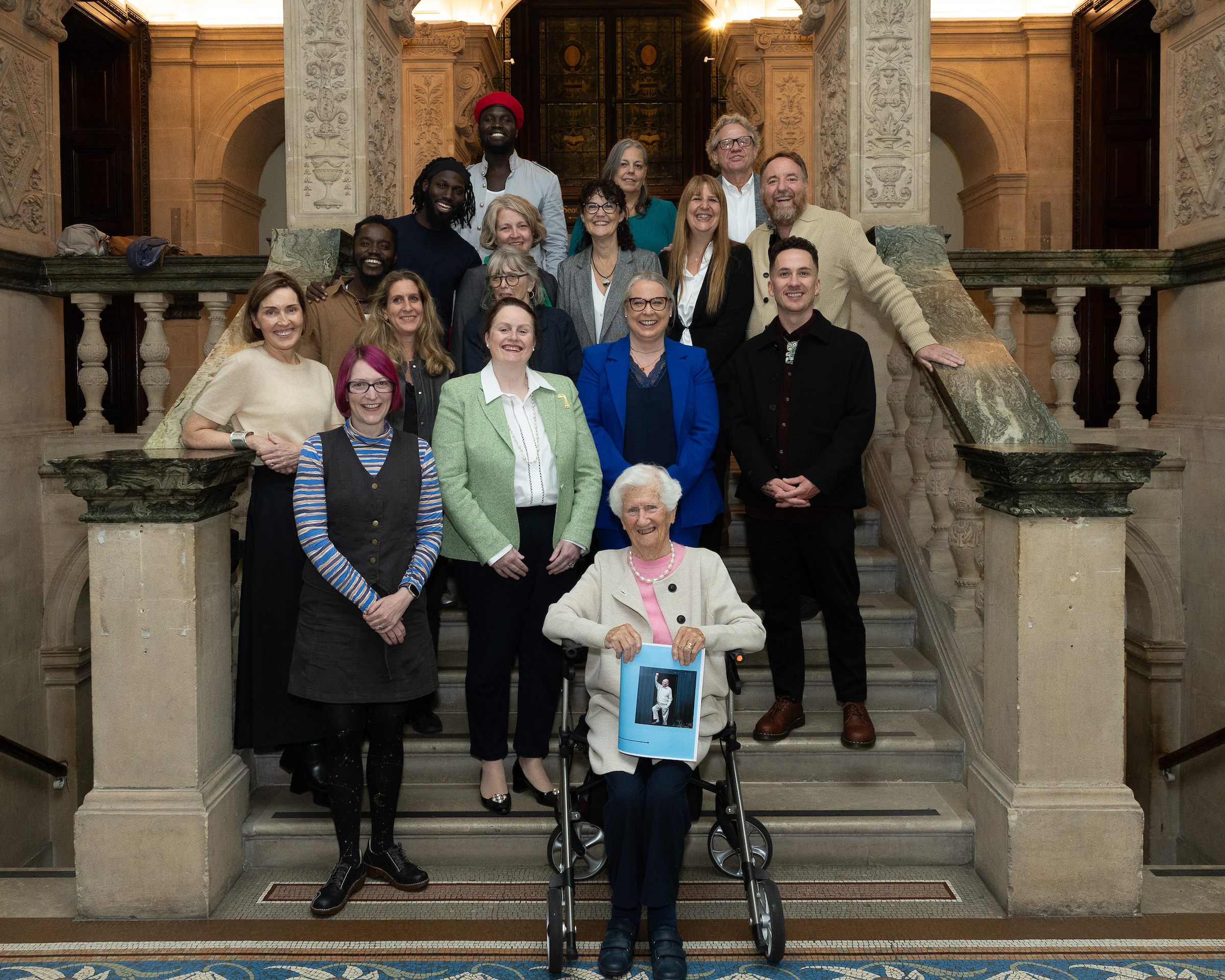
The National Library of Ireland (NLI) is home to the Brian Friel Collection. In December 2000, Brian Friel and his family donated 130 boxes of material to the Library. The collection documents his early work as a short-story writer and the subsequent writing and production of 30 radio and stage plays.
Consulting these materials enables scholars and readers to deepen their understanding of Friel and his work. Portions of the collection have been digitised and are available online worldwide. Over the years, dramaturgs, writers and actors have drawn on the collection to inform productions of his plays. For translators, the materials offer valuable insight into his creative process.
The global reach of Friel’s work was the focus of the NLI’s second Brian Friel Day, held on the 11th anniversary of his death.
Brian Friel and the Global Audience
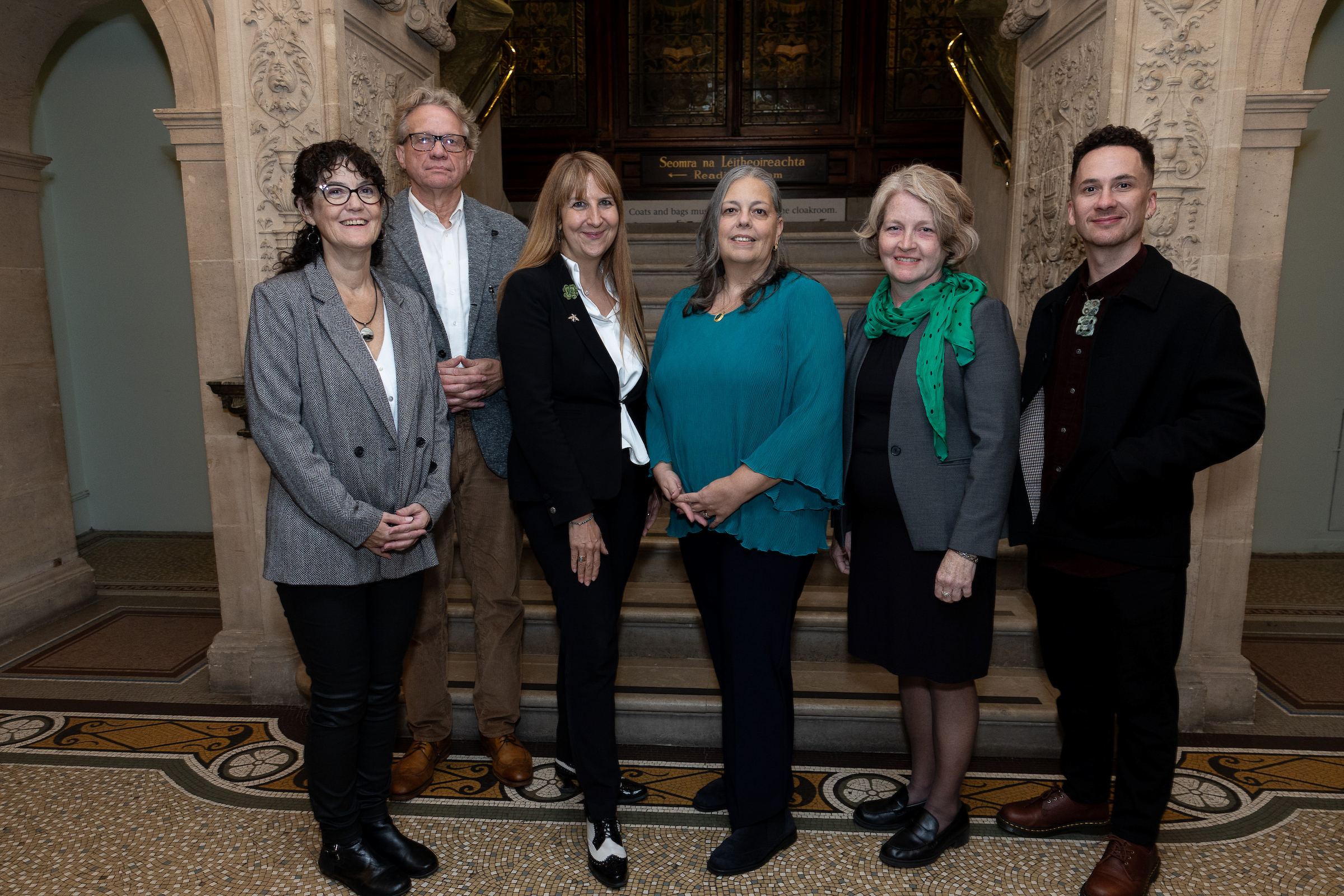
The celebration took place in two parts. The afternoon seminar, Brian Friel and the Global Audience, brought together academics exploring Friel’s work and its reception in France, Germany, Italy, Spain, the United States and beyond. It was chaired by Declan Kiberd, Professor Emeritus at the University of Notre Dame, whose scholarship has helped shape international understanding of Friel’s contribution to literature, theatre and cultural life.
Professor Virginie Roche-Tiengo played a central role in organising the seminar and bringing the scholars together. The event also received support from her university, the University of Artois, where she teaches Irish Studies. Having written her thesis on Brian Friel at Sorbonne Université, Roche-Tiengo continues to build a partnership with the NLI inspired by her interest in his work. Her presentation, “Staging Brian Friel in French: Adaptations and Polymorphic Performances from 1986 to 2026,” explored the French-language stage.
Dr. Maria Gaviña-Costero of the University of Valencia presented “The Multiple Geographies of Brian Friel’s Theatre in Spain.” Her book, El Teatro de Brian Friel: Bailando entre la ficción y la memoria, was published last year.
Dramaturg Stefan Kroner examined German stage productions of Molly Sweeney. He studied New German Literature and Theatre Studies at Freie Universität Berlin, where his master’s thesis focused on Friel: Der irische Dramatiker Brian Friel auf den deutschen Bühnen.
Dr. Alessandra Ruggiero presented “Brian Friel in Italy: Reception, Translation, and the Challenge of the Stage.” She has translated Friel’s work into Italian and worked with Literature Ireland.
Dr. Kelly Matthews of Framingham State University in the United States presented “Border Crossings: Brian Friel’s Beginnings.” Her book, Beginnings, published by Four Courts Press in Dublin, examines Friel’s early career, his writing for The New Yorker, and the influence of figures such as Tyrone Guthrie and his work in Minnesota.
Our final speaker, Hēmi Kelly, presented “Translating Translations: Brian Friel in the Māori Language.” Of Māori and Irish descent, Kelly is a Māori writer, licensed translator, interpreter and language educator. His Māori translation of Friel’s Translations was commissioned by the Embassy of Ireland in New Zealand and published in 2022.
Friel on the International Stage
The evening session, directed by Patrick Mason, showcased how Friel’s work has been reimagined around the world. Mason won a Tony Award for Best Direction of a Play for his Broadway production of Dancing at Lughnasa in 1992. Through a series of performances, audiences experienced Friel’s work across different languages, cultures and theatrical traditions.
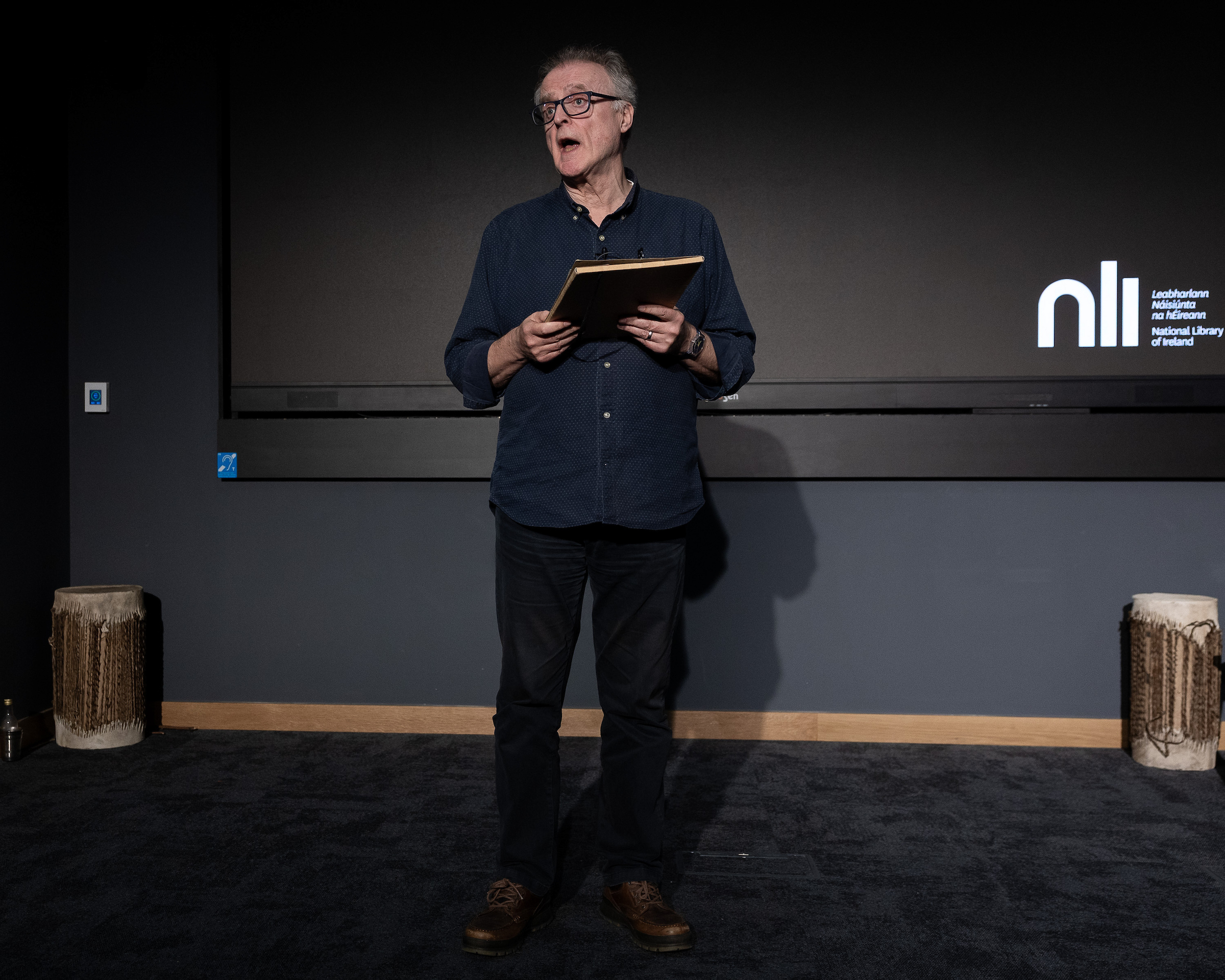
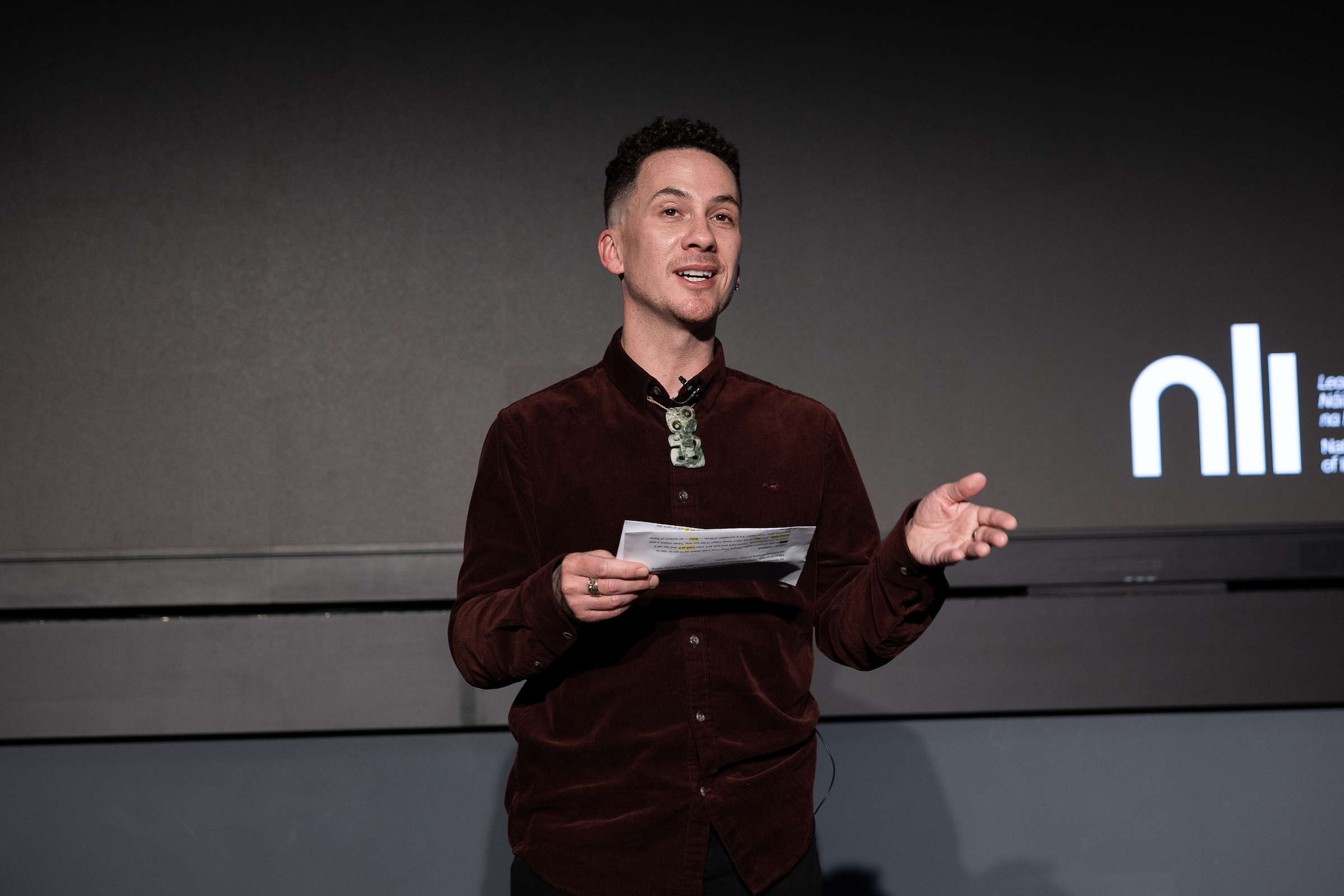
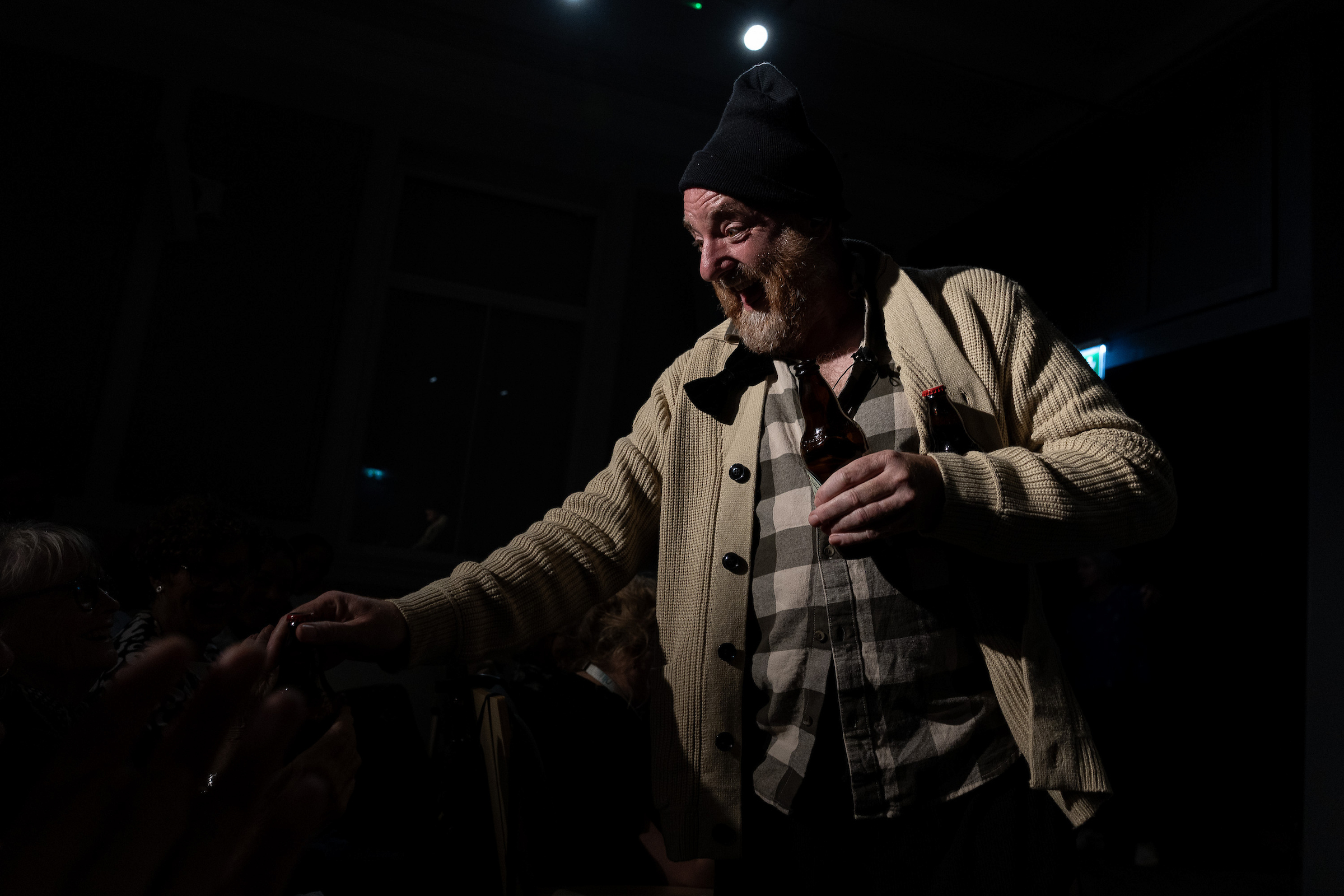
First to perform was Hēmi Kelly, who had also spoken during the afternoon seminar. He treated the audience to a reading from his te reo Māori translation of Translations.
We were delighted to welcome French actor Jérôme Pouly, known for his work with the prestigious Comédie-Française. Pouly captivated the audience with a solo scene from Faith Healer. No stranger to performing alone, he co-founded the itinerant theatre company Avec Cœur & Panache with Frédéric Gasnier in 2018. Dedicated to bringing theatre to rural communities, the company has produced three distinctive solo shows: La cuisine des auteurs, M de Molière and La fantaisie des Schumanns.
Our final performers travelled from Dakar to Dublin to represent Brrr Production, a Senegal-based theatre company founded in 2016 by Franco-British director and playwright Bérengère Brooks.
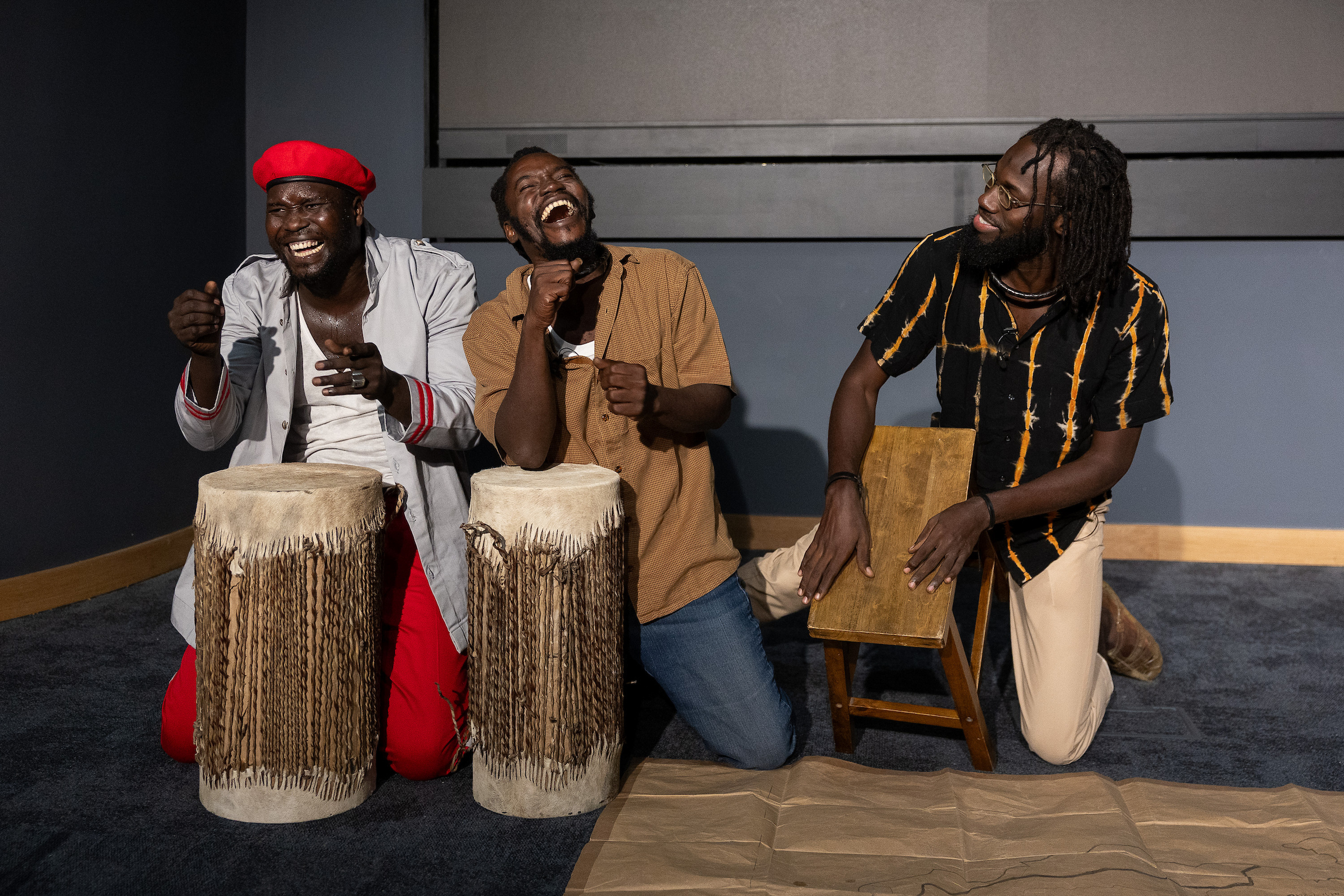
Brrr Production creates socially engaged theatre addressing contemporary political and social issues through original works, adaptations of classical texts and productions for young audiences. Blending humour and absurdity, its work encourages audiences to question the world around them. The company also runs training programmes for young actors and develops international artistic collaborations. As a resident partner of the Grand Théâtre National in Dakar, it regularly performs across Senegal and internationally, reaching diverse audiences.
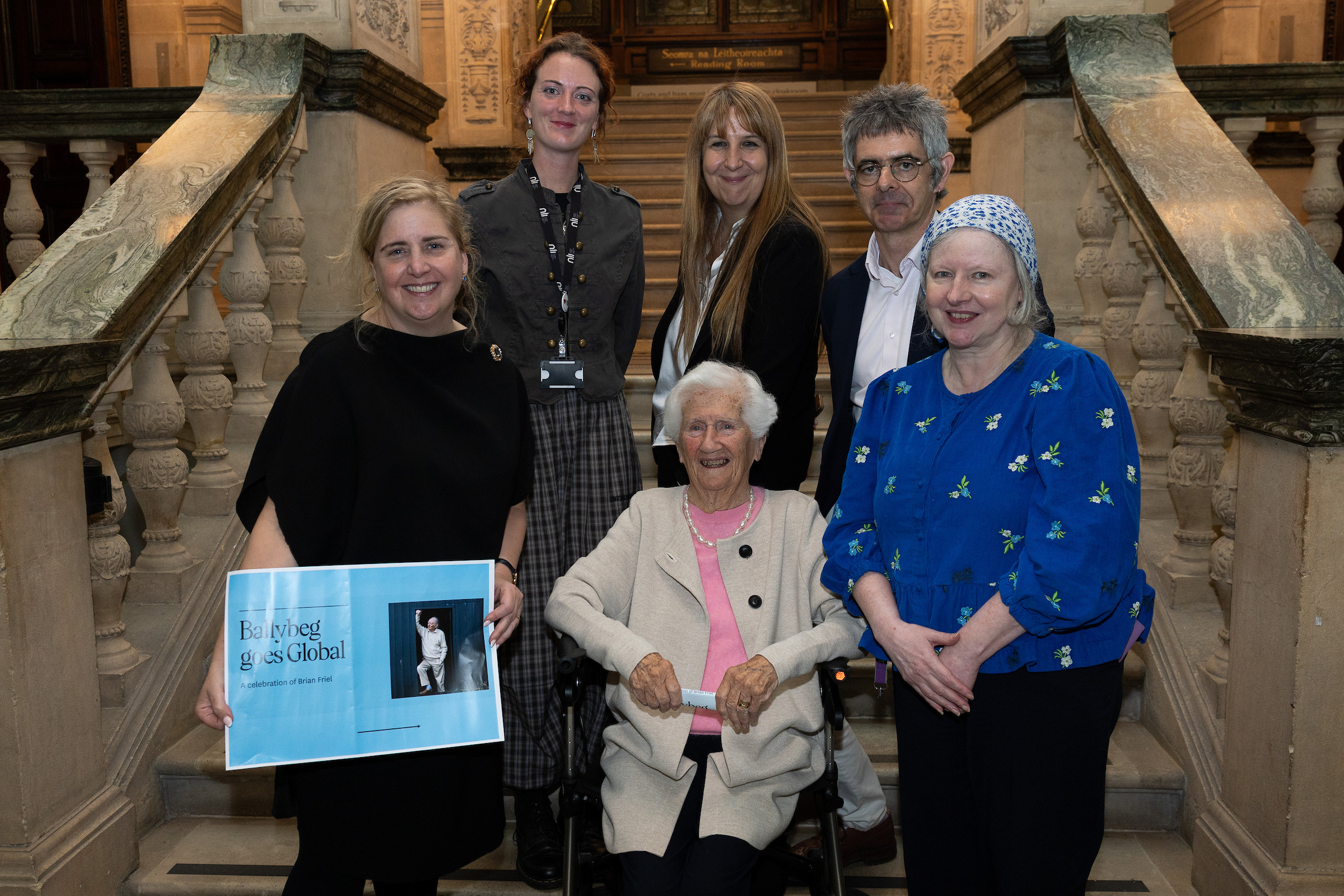
We would like to extend our thanks for the support of the Department of Foreign Affairs, the University of Artois, and the United Arts Club in particular their Vice President Mary Dunne.
The National Library of Ireland is grateful to the Friel family for their continued support, with special thanks to Judy Friel who worked tirelessly to create this event with us. We extend our appreciation to our many contributors at 'Ballybeg Goes Global'.

Jérôme Pouly performs an extract from Faith Healer.

David Abraham Diémé dances during the drumming performance.

Ibrahima Diouf and David Abraham Diémé, from Brrr Productions, perform a scene from a French-language adaptation of Translations.

Genevieve Wyeth, Interim Chairperson of the NLI Board, and Anne Friel.

Amina Ndoye (far right), founder and president of Council of Senegalese in Ireland, and other members of the community.
*All photography by Conor O'Mearain.
Tuilleadh

